
Crypto Trading Strategies Through Signals
Master crypto trading signals for profitable cryptocurrency trading.
Signal Analysis Fundamentals
Understanding crypto trading signals requires mastering their core components and analytical foundations. Each signal contains specific data points that determine trade viability and risk parameters.
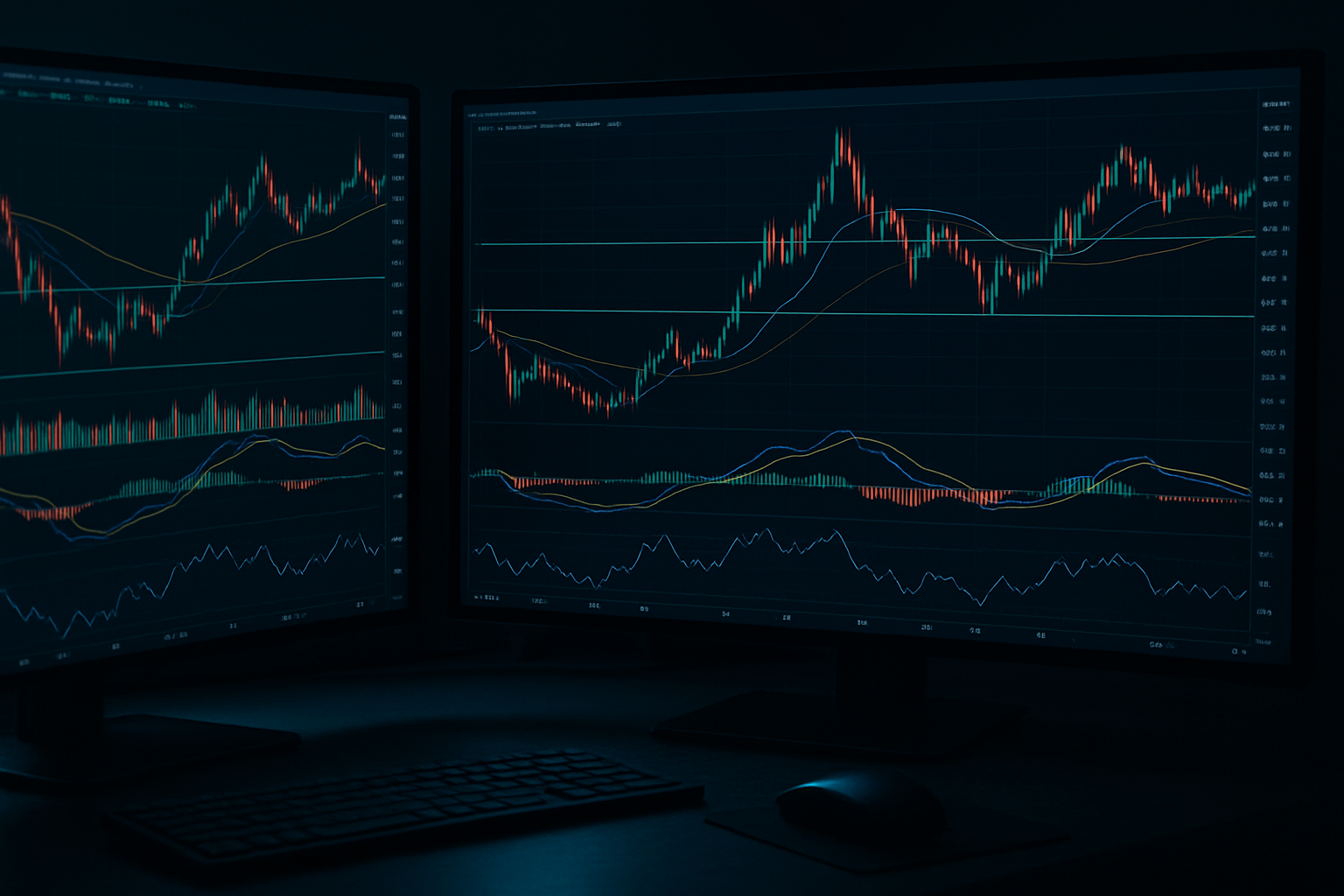
Technical analysis forms the backbone of most crypto signals. Moving averages, RSI indicators, and support-resistance levels generate entry recommendations when specific conditions align. Our MetaTrader platforms display these indicators in real-time, allowing traders to verify signal accuracy before execution.
Market sentiment analysis complements technical data. News events, regulatory announcements, and whale movements influence cryptocurrency prices significantly. Professional signal providers incorporate these factors into their recommendations, creating multi-dimensional trading opportunities.
| Component | Purpose | Risk Impact | Execution Method |
|---|---|---|---|
| Entry Price | Optimal buy/sell point | Medium | Limit orders at specified range |
| Take Profit Levels | Profit realization points | Low | Multiple exit orders |
| Stop Loss | Risk limitation | High | Automatic exit triggers |
| Position Size | Capital allocation | High | Percentage-based risk management |
Exness Platform Signal Integration
Our trading infrastructure supports seamless signal implementation across multiple cryptocurrency CFDs. The platform’s execution speed ensures minimal slippage when following time-sensitive signal recommendations.
MetaTrader 5 offers advanced order types essential for signal trading. Traders can set multiple take-profit levels simultaneously, allowing partial position closures at different price targets. This functionality maximizes profit potential while reducing overall trade risk.
Expert Advisors enhance signal execution through automated trading capabilities. Custom EAs can monitor signal channels and execute trades based on predetermined parameters, eliminating emotional decision-making from the trading process.
Signal Verification Methods
Successful signal trading requires thorough verification before position entry. Price action confirmation involves checking current market structure against signal recommendations, ensuring alignment between technical analysis and proposed trade direction.
Volume analysis provides additional confirmation signals. High trading volumes during breakout signals indicate stronger probability of sustained price movements, while low volumes suggest potential false signals requiring caution.
Risk Assessment Protocols
Each crypto signal carries inherent risk factors that traders must evaluate systematically. Volatility measurements help determine appropriate position sizing, with higher volatility requiring smaller position sizes to maintain consistent risk exposure.
Correlation analysis prevents overexposure to similar market movements. Trading multiple signals on correlated cryptocurrency pairs simultaneously increases portfolio risk beyond acceptable levels, requiring diversification strategies.
Strategic Signal Classification Systems
Different signal types serve various trading objectives and risk tolerances. Swing trading signals target multi-day price movements, offering lower frequency but potentially higher reward opportunities suitable for part-time traders.
Scalping signals focus on short-term price fluctuations within minutes or hours. These require constant market monitoring and quick execution capabilities, making them suitable for experienced traders with dedicated trading time.
Day trading signals balance frequency and duration, targeting intraday movements while closing positions before market close. This approach limits overnight exposure while maintaining active trading opportunities.
The classification system helps traders select signals matching their available time, risk tolerance, and experience level. Beginners should focus on swing signals initially, progressing to shorter timeframes as skills develop.
| Strategy Type | Duration | Frequency | Risk Level | Skill Requirement |
|---|---|---|---|---|
| Swing Trading | 2-10 days | 1-3 weekly | Medium | Beginner-friendly |
| Day Trading | 1-8 hours | 3-5 daily | Medium-High | Intermediate |
| Scalping | 1-60 minutes | 10+ daily | High | Advanced |
| Position Trading | Weeks-months | 1-2 monthly | Low-Medium | All levels |
Signal Provider Evaluation Criteria
Selecting reliable signal providers requires systematic evaluation of performance metrics and service quality. Historical accuracy rates provide baseline performance indicators, though past results don’t guarantee future success.
Transparency in trade reporting distinguishes professional providers from questionable services. Legitimate providers share detailed trade histories, including losing trades, while maintaining realistic accuracy expectations between 60-80%.
Communication quality affects signal usability significantly. Clear entry instructions, multiple take-profit levels, and timely updates enable proper trade management throughout position duration.
Risk management integration separates quality providers from basic services. Professional signals include position sizing recommendations, risk-reward ratios, and market condition assessments that enhance overall trading success.
Provider Selection Checklist
Verification requirements include checking provider credentials, regulatory compliance where applicable, and user testimonials from verified sources. Social media presence and community engagement indicate provider commitment to service quality.
Cost-benefit analysis helps determine signal service value. Free signals often lack comprehensive analysis, while premium services provide detailed market research and ongoing support justifying subscription costs.
Trial periods allow risk-free evaluation of signal quality and compatibility with trading style. Most reputable providers offer demo access or short-term trials enabling informed subscription decisions.
Exness Execution Strategies
Our platform’s order management system optimizes signal execution through advanced order types and risk controls. Trailing stops automatically adjust stop-loss levels as positions move favorably, protecting profits while allowing continued upside participation.
One-click trading functionality reduces execution delays critical for time-sensitive signals. Pre-configured trade sizes and risk parameters enable instant position entry when signals arrive, minimizing missed opportunities due to manual order placement delays.
Multiple account types accommodate different signal trading approaches. Raw Spread accounts offer minimal spreads for high-frequency signal trading, while Standard accounts provide commission-free execution suitable for occasional signal followers.
The platform’s negative balance protection ensures account safety during extreme market volatility. This feature prevents losses exceeding account balance, providing additional security for aggressive signal strategies.
Position Management Techniques
Partial profit-taking maximizes signal profitability through staged exit strategies. Taking 30% profits at first target, 50% at second target, and trailing the remainder optimizes risk-reward ratios across different market conditions.
Stop-loss adjustment protocols protect capital while allowing profitable positions to develop. Moving stops to breakeven after reaching first profit target eliminates downside risk while maintaining upside potential.
Risk Management Integration
Comprehensive risk management transforms signal trading from gambling into systematic investing. Position sizing based on account percentage rather than fixed amounts maintains consistent risk exposure across varying signal frequencies.
Portfolio diversification across multiple cryptocurrency pairs reduces correlation risk inherent in single-asset strategies. Trading signals on Bitcoin, Ethereum, and altcoins simultaneously spreads risk while capturing broader market opportunities.
Drawdown management protocols establish maximum acceptable losses before trading suspension. Setting monthly loss limits prevents emotional revenge trading that often follows signal failures, preserving capital for future opportunities.
| Scenario | Win Rate | Risk per Trade | Expected Return | Recommended Action |
|---|---|---|---|---|
| Conservative | 70% | 1% | 2.1% monthly | Suitable for beginners |
| Moderate | 65% | 2% | 3.9% monthly | Intermediate traders |
| Aggressive | 60% | 3% | 5.4% monthly | Experienced only |
| High-Risk | 55% | 5% | 7.5% monthly | Expert traders only |
Performance Monitoring Systems
Systematic performance tracking identifies successful signal patterns and areas requiring improvement. Trade journals recording entry reasons, exit results, and market conditions enable data-driven strategy refinement.
Monthly performance reviews assess signal provider effectiveness and personal execution quality. Comparing actual results against signal recommendations reveals implementation gaps requiring attention.
Key performance indicators include win rate, average risk-reward ratio, maximum drawdown, and monthly return consistency. These metrics guide strategy adjustments and provider selection decisions.
Technology integration through trading analytics tools automates performance tracking. Our platform’s reporting features generate detailed statistics enabling comprehensive strategy evaluation without manual calculation requirements.
Continuous Improvement Methods
Strategy optimization involves analyzing winning and losing trades for common patterns. Identifying market conditions favoring specific signal types enables selective signal following based on current market environment.
Skill development through educational resources enhances signal interpretation abilities. Understanding technical analysis fundamentals improves signal verification skills, reducing dependence on provider recommendations alone.
Regular strategy reviews ensure continued alignment with trading objectives and risk tolerance. Market conditions change over time, requiring strategy adaptations to maintain consistent profitability.
The combination of reliable signals, proper execution, and systematic risk management creates sustainable cryptocurrency trading success. Our Exness platform provides the technological infrastructure supporting professional signal-based trading strategies for Pakistani traders seeking consistent market profits.
❓ FAQ
What are crypto trading signals?
Crypto trading signals are alerts or recommendations based on technical and market analysis that suggest optimal entry and exit points for cryptocurrency trades.
How does Exness support signal trading?
Exness offers integration with MetaTrader platforms, advanced order types, automated trading tools, and risk management features to facilitate efficient signal execution.
Can beginners use crypto trading signals effectively?
Yes, beginners can use swing trading signals to start, as they are lower frequency and less complex, gradually advancing to more active strategies as experience grows.
How important is risk management in signal trading?
Risk management is crucial to protect capital, maintain consistent exposure, and avoid emotional trading, ensuring long-term profitability.