
Effective Forex Signals Risk Control
Master forex trading signals risk control with Exness Pakistan. Learn signal validation, position sizing, and risk management strategies for safe trading.
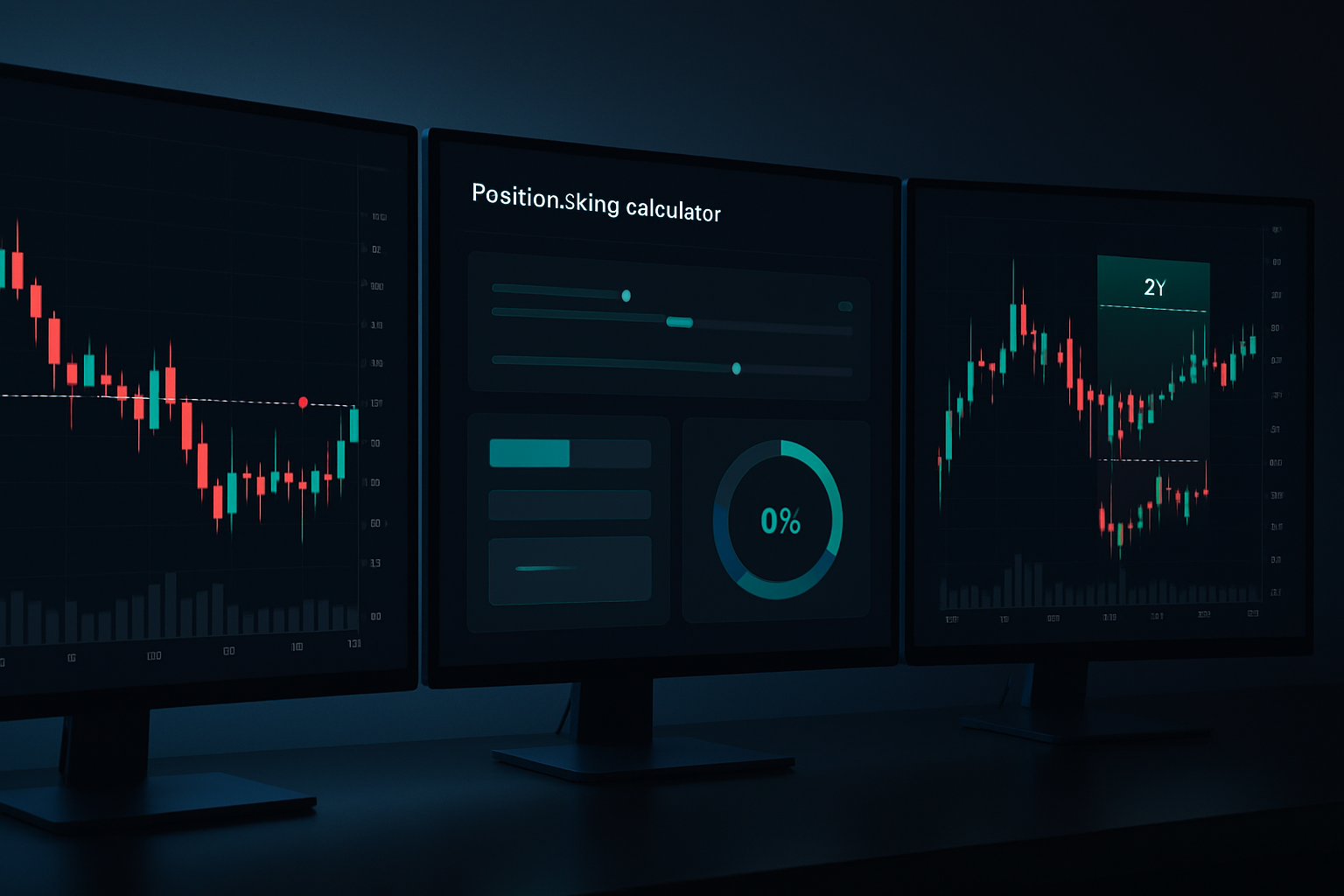
Establish Signal Validation Protocols
Signal validation forms the foundation of effective risk control in forex trading. Raw signals without proper verification can lead to significant losses, especially during high-volatility periods or major news events.
Technical Confirmation Requirements
Every signal requires technical confirmation before execution. Check multiple timeframes to ensure the signal aligns with broader market trends. A bullish signal on the 15-minute chart should correspond with upward momentum on hourly and 4-hour timeframes.
Our MetaTrader 5 platform provides advanced charting tools for signal verification. Use RSI, MACD, and moving averages to confirm signal strength before placing trades.
Market Context Analysis
Economic calendars reveal upcoming events that could invalidate signals. High-impact news releases often trigger unexpected price movements that contradict technical analysis. Avoid trading signals within 30 minutes of major announcements like NFP, FOMC decisions, or central bank speeches.
Currency pair correlations also affect signal reliability. USD/JPY signals may fail if broader dollar weakness emerges across multiple pairs simultaneously.
| Signal Validation Checklist | Timeframe | Action Required |
|---|---|---|
| Technical confirmation | 15min, 1H, 4H | Verify trend alignment |
| Economic calendar check | Daily | Identify high-impact events |
| Correlation analysis | Multiple pairs | Assess USD strength/weakness |
| Volume confirmation | Current session | Ensure adequate liquidity |
| Support/resistance levels | Daily/Weekly | Check key price zones |
Configure Position Sizing Parameters
Position sizing determines the maximum loss per trade and overall portfolio risk exposure. Proper sizing prevents single trades from causing catastrophic account damage, regardless of signal accuracy.
Risk-Per-Trade Calculations
Calculate position size based on account balance and predetermined risk percentage. Risk 1-2% of total capital per signal to maintain long-term sustainability. A $10,000 account should risk maximum $200 per trade.
Use our position size calculator to determine appropriate lot sizes. For EUR/USD with 50-pip stop loss, risk $100 on a $5,000 account requires 0.04 lots maximum.
Leverage Management
High leverage amplifies both profits and losses from signal-based trades. Limit leverage to 1:50 or lower for signal trading to maintain control over position exposure.
Our Pro accounts offer flexible leverage settings up to 1:2000, but conservative traders use minimal leverage regardless of availability. Lower leverage provides more time to react to adverse price movements.
Portfolio Allocation Limits
Diversify signal exposure across multiple currency pairs and timeframes. Avoid concentrating more than 20% of total risk on correlated pairs like EUR/USD and GBP/USD simultaneously.
Implement Stop-Loss Strategies
Stop-loss orders provide automatic risk control when signals fail to perform as expected. Different stop-loss strategies suit various trading styles and market conditions.
Fixed-Pip Stop Losses
Fixed-pip stops maintain consistent risk levels across all signal trades. Set stops 20-50 pips from entry based on pair volatility and average daily range. Major pairs typically require smaller stops than exotic currencies.
Our one-click trading feature allows rapid stop-loss placement directly from price charts. Pre-configure default stop distances to speed up order execution during fast-moving markets.
ATR-Based Dynamic Stops
Average True Range (ATR) indicator creates dynamic stop levels that adjust to current market volatility. Multiply ATR by 1.5-2.0 to set stops beyond normal price fluctuations while maintaining reasonable risk exposure.
Trailing Stop Implementation
Trailing stops lock in profits as signals move favorably while maintaining downside protection. Set trailing distances at 50-75% of initial stop-loss distance to balance profit protection with premature exit risk.
Configure trailing stops through Expert Advisors for automated management. Manual trailing requires constant market monitoring and emotional discipline.
Monitor Signal Performance Metrics
Systematic performance tracking identifies profitable signal sources and eliminates underperforming providers. Regular analysis prevents emotional decision-making and improves long-term results.
Win Rate Analysis
Track win rates across different signal providers, timeframes, and currency pairs. Maintain detailed records of entry prices, exit prices, and profit/loss amounts for each trade.
Profitable signal systems typically achieve 55-65% win rates with proper risk management. Higher win rates often indicate insufficient risk-taking or cherry-picked results.
Risk-Adjusted Returns
Calculate risk-adjusted returns using Sharpe ratio or similar metrics. High returns with excessive drawdowns indicate unsustainable trading approaches that will eventually cause significant losses.
Our trading history reports provide comprehensive performance analytics including maximum drawdown, average trade duration, and monthly returns. Review these metrics weekly to identify performance trends.
Drawdown Management
Maximum drawdown measures the largest peak-to-trough decline in account value. Limit drawdowns to 10-15% through position sizing and diversification strategies.
Suspend signal trading when drawdowns exceed predetermined thresholds. Resume trading only after thorough analysis of losing trades and strategy adjustments.
Execute Risk-Controlled Signal Trades
Proper trade execution combines signal timing with risk management protocols. Fast execution prevents slippage while maintaining predetermined risk parameters.
Order Type Selection
Market orders provide immediate execution but may suffer from slippage during volatile periods. Limit orders guarantee price levels but risk missing fast-moving signals.
Our ECN execution delivers institutional-grade order processing with minimal slippage. Average execution speed remains under 0.1 seconds for major currency pairs.
Timing Considerations
Execute signals within recommended timeframes to maintain validity. Scalping signals expire within minutes, while swing trading signals remain valid for several hours.
Monitor market sessions for optimal execution timing. London and New York overlap periods offer highest liquidity and tightest spreads for signal execution.
Pre-Trade Risk Assessment
Verify available margin before executing signals to prevent margin calls. Calculate total exposure including existing positions to avoid over-leveraging the account.
Check current spread conditions and swap rates for overnight positions. Wide spreads during news events can significantly impact signal profitability.
| Risk Assessment Checklist | Verification Required | Action if Failed |
|---|---|---|
| Available margin | >200% of required | Reduce position size |
| Spread conditions | <2x normal spread | Wait for improvement |
| Economic calendar | No major news <30min | Delay execution |
| Technical levels | Clear of S/R zones | Adjust entry price |
| Correlation exposure | <20% portfolio risk | Skip correlated signals |
| Signal freshness | <15min old | Request updated signal |
Develop Contingency Response Plans
Market disruptions require predetermined response protocols to protect capital during extreme conditions. Contingency plans prevent panic decisions during crisis periods.
Market Gap Scenarios
Currency gaps occur during weekend periods or major news events. Pre-position protective stops and limit maximum weekend exposure to prevent gap-related losses.
Our negative balance protection ensures account balances cannot go below zero during extreme gap events. This feature provides additional safety for leveraged signal trading.
Signal Provider Failures
Signal providers may experience technical difficulties or performance deterioration. Maintain relationships with multiple providers to ensure continuous signal flow.
Diversify across different signal types including technical, fundamental, and algorithmic sources. This approach reduces dependency on single methodologies or providers.
Technology Contingencies
Internet outages or platform failures can prevent timely signal execution or position management. Maintain mobile trading capabilities and alternative internet connections.
Configure email and SMS alerts for critical price levels and margin warnings. These notifications provide backup communication during primary platform disruptions.
Emergency Exit Procedures
Establish clear procedures for emergency position closure during extreme market conditions. Pre-configure one-click position closure and practice execution during calm periods.
Maintain emergency contact information for broker support during crisis situations. Know account closure procedures and fund withdrawal processes before they become necessary.
❓ FAQ
What is signal validation in forex trading?
Signal validation involves verifying trading signals through technical analysis and market context before execution to reduce the risk of false signals.
How much should I risk per trade when using signals?
It is recommended to risk 1-2% of your total capital per trade to maintain sustainable risk management.
Why is leverage management important in signal trading?
Leverage amplifies both gains and losses; managing it conservatively helps prevent large losses and allows better control over trades.
How do trailing stops help in forex trading?
Trailing stops automatically adjust stop-loss levels to lock in profits as the market moves in your favor while protecting against downside risk.
What should I do during major market disruptions?
Follow contingency plans such as limiting exposure, using protective stops, and having emergency exit procedures to minimize losses during disruptions.